


Mining Operations
Mining is among the most demanding environments for equipment management: a wide mix of machine types, working faces that move continuously, harsh conditions, and a mix of owned and contracted fleets operating side by side.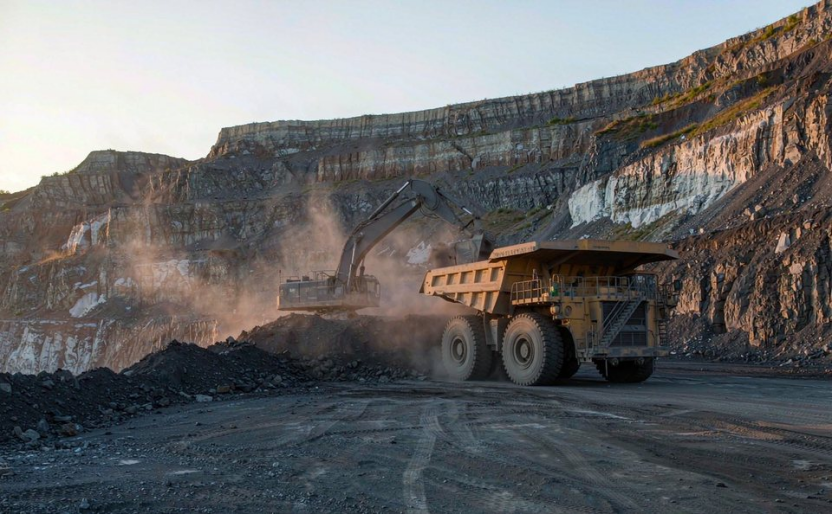
Operating Characteristics
Equipment types span haul trucks, excavators, wheel loaders, drill rigs, bulldozers and crushing stations. Working faces shift continuously as extraction advances, so haul routes change frequently. Dust, vibration and the absence of network coverage below the pit are typical environmental constraints. The management chain is long and settlement relationships are complex.
Management Pain Points
Pain Point | How It Appears | What It Costs |
Manual shift settlement | Shift start and end times are recorded by hand by the shift leader; handover times are disputed | Over-counted shifts, settlement disputes, inflated labour cost |
Inflated trip counts | Haul trips rely on paper tickets or manual counting, and night shifts or remote faces cannot be verified | Inflated haulage charges; transport efficiency cannot be assessed |
Unverifiable diesel consumption | Diesel is a major share of operating cost, yet refuelling and consumption are not recorded precisely | Fuel theft, unexplained losses, refuelling volumes inconsistent with output |
No network below the pit | Extraction faces and dumps often have no stable signal | Conventional connected devices drop data; nothing can be reconstructed afterwards |
Unclear utilization | No one knows how many hours each machine actually works versus idles | No basis for buy-versus-rent decisions; poor asset allocation |
Safety and record-keeping requirements | Regulators require complete, auditable operating and equipment records | Compliance risk from incomplete records |
Solution Configuration
Equipment Type | Configuration | Installation Notes |
Mining haul truck | W12 + S16 + Trip Counter | W12 mounted outside the cab; S16 replaces the original fuel cap; trip counter bound to loading and dumping geo-fences |
Excavator / Wheel loader | W12 + S16 (or fuel rod / ultrasonic) | Automatically separates active digging from idle waiting |
Drill rig / Bulldozer | W12 | Records effective drilling time and travel time separately |
Crushing station / fixed plant | W12 + fuel monitoring | Records running hours to calculate energy use per unit of output |
Key design point — the W12's 30-day local buffer exists precisely for the no-signal condition below the pit. Data is never lost; it uploads automatically when the machine leaves the pit. This removes the long-standing objection that "connected devices do not work in mines".
Results Achieved
Original Pain Point | Product Capability | Result |
Manual shift settlement | W12 records working hours to the minute and separates work from idling | Shift data feeds settlement directly; manual recording is eliminated |
Inflated trip counts | Trip Counter counts automatically via geo-fences with full route retention | Every trip is auditable and replayable; false claims become impossible |
Unverifiable diesel consumption | S16 real-time level monitoring with refuelling, consumption and abnormal-drop alerts | Fuel can be reconciled against output; theft and abnormal loss surface immediately |
No network below the pit | 30-day local buffer with automatic upload on exit | Data completeness no longer depends on signal |
Unclear utilization | Platform calculates per-machine working hours, idle ratio and attendance rate | Asset allocation and rental decisions rest on data |
Management Value
Cost reduction — fuel cost typically carries 10%–20% of recoverable waste, coming from theft, unexplained losses and unnecessary idling. Once shifts and trips are digitized, the labour and dispute costs in settlement fall at the same time.
Efficiency gains — dispatching moves from "assigning by experience" to "assigning by data". Vehicle allocation follows the actual state of each working face, and machines spend less time waiting idle at the face.
Ease of management — managers see the live status of every machine from the office. Daily and monthly reports are generated automatically, with no layer-by-layer reporting. Safety and production records are retained by the system and can be exported for inspection on demand.


