

Smart Agriculture
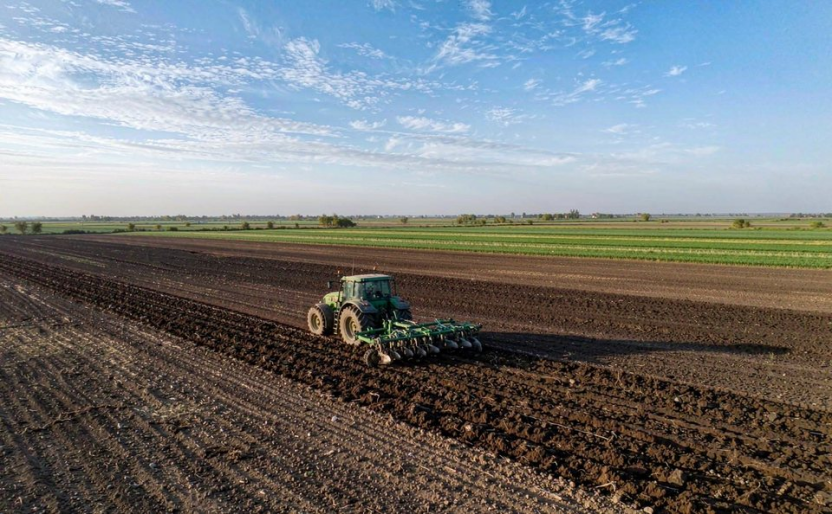
Agricultural machinery use is concentrated into narrow seasonal windows: ploughing, sowing, crop care and harvest each have a golden period of days or a few weeks, and missing it reduces yield directly. For the rest of the year machines stand idle. This pattern of "intense use plus long idle" means the point of farm machinery management is not managing assets — it is buying time.
Operating Characteristics
Work is strongly seasonal and the window is short. Cross-regional operation is common, with operators and machines constantly on the move. Settlement is by area worked or by hours. Unit asset value is high while annual utilization is low, creating strong pressure to put idle capacity to work.
Management Pain Points
Pain Point | How It Appears | What It Costs |
Short window, hard to dispatch | During harvest rush, dispatch runs by phone and neither operator positions nor progress are visible | Missed window; loss of yield and quality |
Area worked hard to verify | Cross-regional and contract work settles by area, but actual worked area is not recorded objectively | Fee disputes; mistrust between service provider and farmer |
Battery drain during storage | Machines sit for months off-season; conventional devices go flat and cannot be woken remotely | Machine will not start when the season begins; attendance suffers |
High share of diesel cost | High-horsepower tractors and combines consume heavily, and refuelling records are crude | Fuel out of control; cost per mu unknown |
High idle rate | A machine works only a limited number of days per year, and there is no data to support putting idle capacity to use | Low asset return; difficult to price shared rental |
Solution Configuration
Equipment Type | Configuration | Installation Notes |
Tractor / Combine harvester | W12 + S16 | Solar charging means no need to remove and recharge during the off-season; ready to wake at any time |
Crop protection / Seeding machine | W12 | Records effective hours and calculates efficiency per mu |
Grain dryer / Irrigation pump station | W12 | Records running hours to calculate energy use per unit |
Cross-regional fleets | W12 + platform geo-fences | Fences set by field; entry and exit log working periods automatically |
Key design point — the W12's solar supply and long standby directly solve the industry-wide problem of machines going flat during off-season storage, while field-level geo-fences turn "area worked" into verifiable data.
Results Achieved
Original Pain Point | Product Capability | Result |
Short seasonal window | Platform shows operator position, working status and daily progress | Dispatch moves from phone coordination to dashboard command, response measured in minutes |
Area worked hard to verify | Field geo-fences with automatic working-period logging | Worked area cross-checks against the settlement note; disputes fall sharply |
Battery drain in storage | Triple solar supply; stays online through long parking | Ready to start when the season opens; no manual charging |
High diesel share | Fuel recorded by machine and by field | Fuel per mu can be calculated; abnormal consumption raises an alert |
High idle rate | Platform reports annual working hours and utilization per machine | A basis for machinery sharing, cross-regional allocation and rental pricing |
Management Value
Cost reduction — once fuel and labour cost per mu can be calculated, both pricing and cost control have a benchmark. Idle machines can take on outside work, turning fixed assets into revenue.
Efficiency gains — dispatch efficiency inside the seasonal window determines revenue directly, and dashboard-based dispatch compresses response time significantly.
Ease of management — cooperatives and machinery service companies can report by operator, by field or by operation type, so operator appraisal shifts from impression to data.


